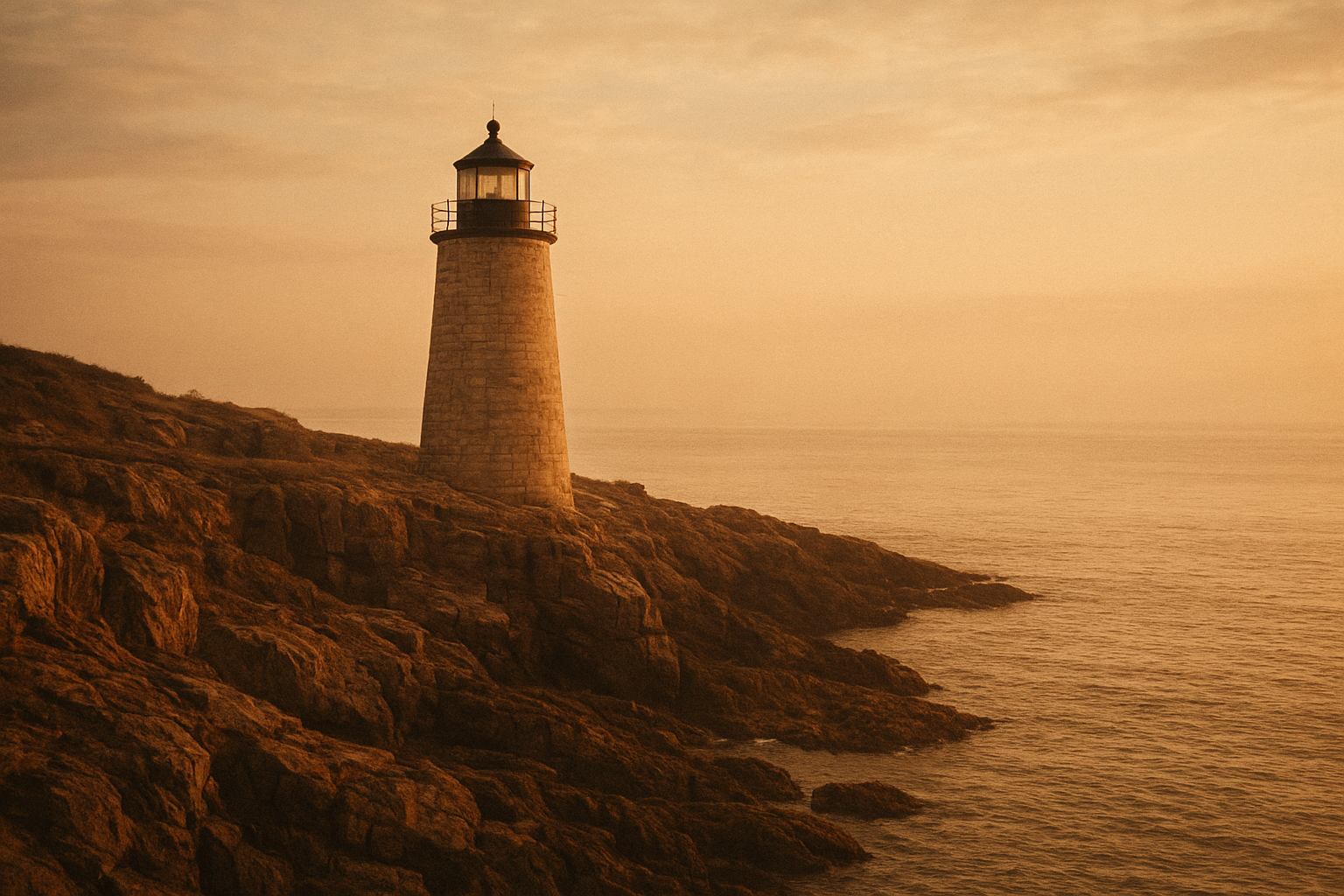
Warm-toned archival photograph of a northern coast lighthouse on rugged cliffs at golden hour with gentle sea haze

Northern Coast Lighthouses Archive

Where Northern Beacons and Human Memory Meet

Explore preserved towers, archival photographs, and keeper narratives that trace the shoreline's navigation history.

  • Preserved towers
  • Archive photographs
  • Keeper accounts

Coastal Introduction

Why the northern lighthouse chain still matters

A practical reading point before the archive: each tower is a navigational tool, a weather witness, and a record of community life along the shore.

Along this coast, lighthouse keepers maintained night signals, tracked storm fronts, and relayed changing conditions to ports and fishing crews. Their logs now help historians trace maritime routes, seasonal weather patterns, and the daily rhythms of shoreline settlements that grew around service roads, supply docks, and keeper households.

  • Navigation
  • Weather
  • Preservation
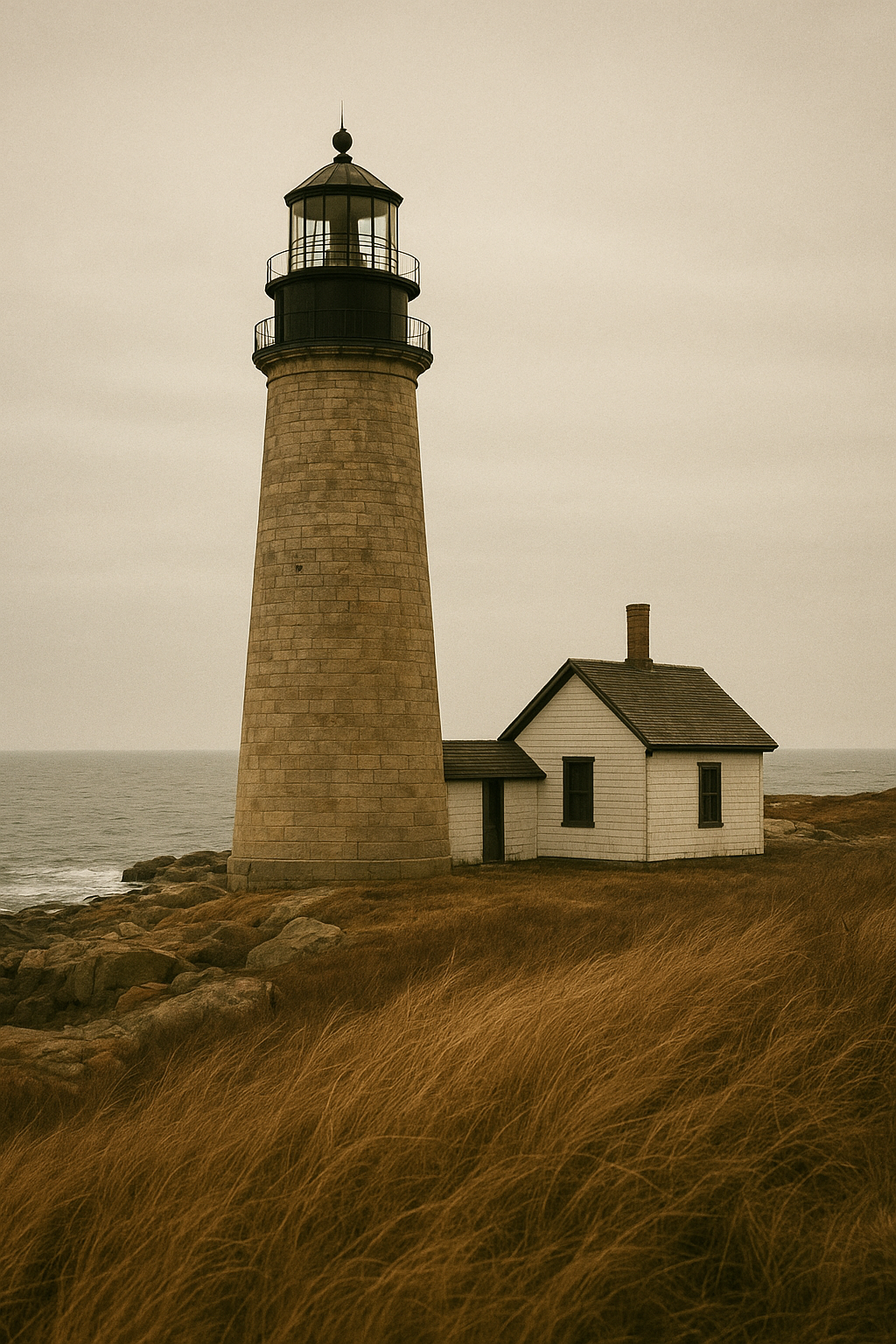
Historic lighthouse and keeper station on a rugged northern shoreline under overcast light
Archival plate, c. early 20th century: tower lantern, service path, and keeper quarters on the outer coast.

Collection overview

Archive highlights

A concise guide to the three core materials in the archive, arranged for quick scanning before deeper reading.

Archive Photos

Browse curated historical images documenting towers, shorelines, and changing coastal life.

Explore the archive

Keeper Stories

Read concise accounts of lighthouse keepers, routines, and the communities around each station.

Read stories

Preserved Towers Map

Locate preserved lighthouse sites and trace their geography along the northern coast.

View the map

Keeper Stories

Voices from the lantern rooms

Personal fragments from station logs and oral records, selected to show how routine, weather, and care shaped the northern lights.

19117 b7 Lead Story

Elias Harrow

Greyfen Head Station

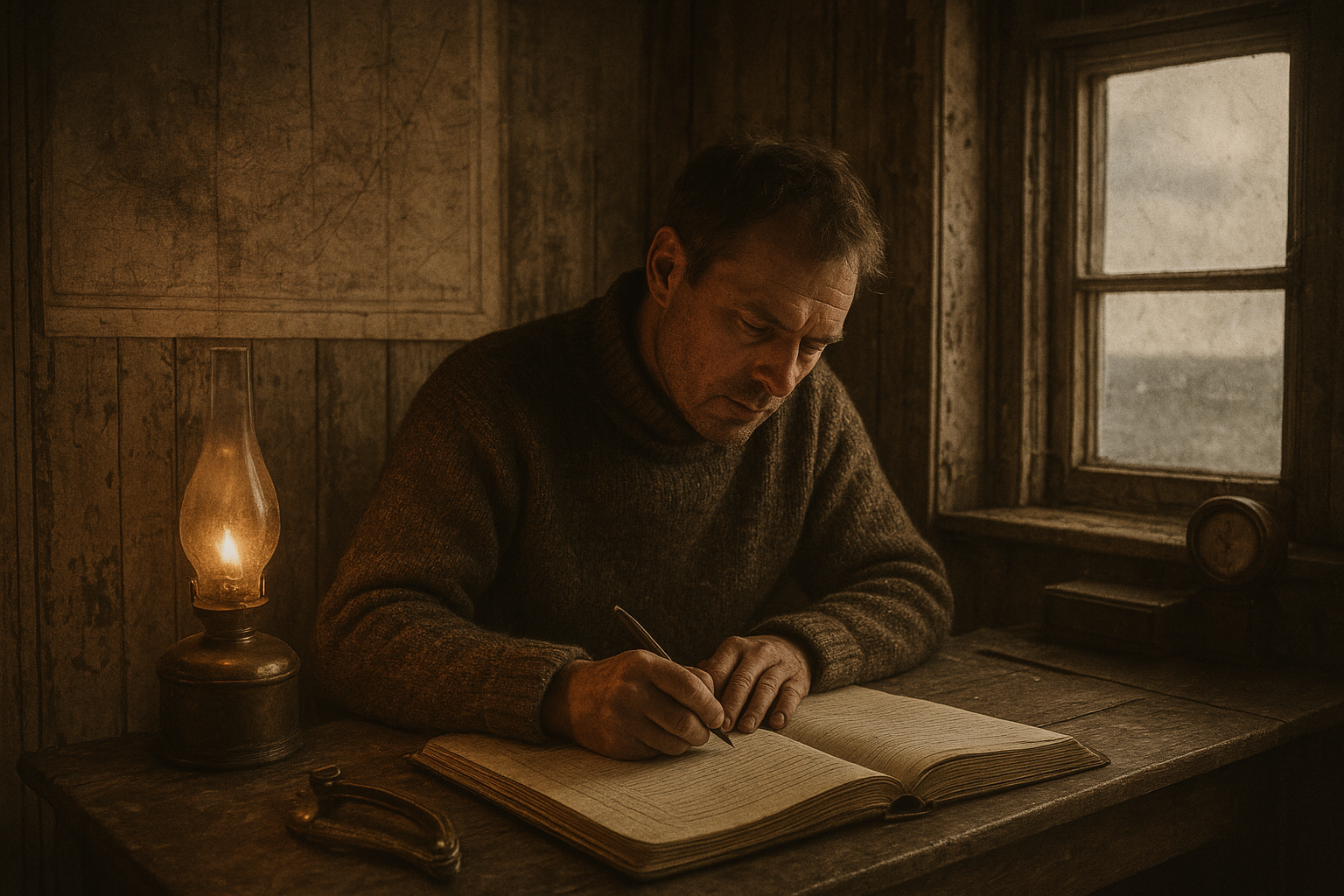
During the winter blackout of 1924, Harrow kept watch by trimming the wick every forty minutes through sleet that froze the gallery rail. His notebook records the same line for six nights14"lamp steady, sea unsteady"14before adding a final note when relief arrived: "hands numb, lens clear."

Weathered documentary photograph of a lighthouse keeper writing in a station log beside an oil lamp, with salt-stained walls and folded sea charts in frame

189412 b7 Supporting

Mara Quinn

North Shoal Light

Quinn marked each fog signal in the margin with tiny tide arrows, then taught local children to read them after chapel. Her entries turn technical logs into a shoreline calendar of storms, fish runs, and safe crossings.

19394 b7 Supporting

Tomas Vf8lker

Bracken Point Tower

When wartime dim-outs reached Bracken Point, Vf8lker maintained an unlit watch and logged passing vessels by bell pattern and wake shape alone. His postwar interviews describe the practice as "listening to the horizon" rather than looking at it.

Chronology

Northern Coast Lighthouse Timeline

A concise sequence of key shifts—from first lights to present-day stewardship—to frame the keeper stories in historical context.

  1. 1821 · Establishment

    First fixed coastal light commissioned to guide timber and fishing vessels into the northern harbor.

  2. 1860s · Expansion

    Additional towers and fog signals extended coverage along hazardous reef passages.

  3. 1900–1930 · Peak Use

    Keeper households, supply depots, and signal routines reached their busiest operational period.

  4. 1950s–1970s · Technological Shift

    Automation reduced on-site staffing as radio navigation and modern optics transformed service patterns.

  5. 1980s–2000s · Preservation

    Local societies secured heritage status, stabilizing towers and cataloging keeper records.

  6. Today · Living Legacy

    Preserved structures now support research, education, and coastal memory across generations.

Preserved Towers — Northern Coast

Illustrative reference map

Harbor Point

Stone tower, keeper logbooks preserved (1881–1936).

East Breakwater Cluster

Two beacons retained on original foundations; restored lantern housing.

Needle Cape Light

Cliffside tower with original Fresnel lens chamber.

Fjord Mouth Towers

Compact pair guarding narrow approach channels since 1902.

Visit Notes

Practical questions, archival answers

A concise reference for planning respectful visits and understanding how the archive presents northern coast lighthouse history.

Can visitors access every lighthouse site shown in the archive?

No. Some towers are on active navigation grounds, private land, or protected habitats. Each site entry notes whether access is public, limited to exterior viewing, or restricted.

What does “preserved” mean in the map and notes?

“Preserved” indicates a standing structure with documented conservation work or legal protection status. Condition still varies, so entries distinguish fully restored towers from stabilized ruins.

Where do the archive photographs and records come from?

Sources include regional archives, harbor authority records, historical societies, and family collections. Captions list provenance and date ranges whenever the original catalog data is available.

When is the best season to view northern coast lighthouses?

Late spring through early autumn offers longer daylight and safer coastal paths. Winter visits can be dramatic, but wind, spray, and limited access roads often require additional caution.

How does the archive handle uncertain or conflicting historical accounts?

We present the strongest documented account first, then note alternatives in context. Editorial notes separate verified records from oral tradition so readers can weigh evidence transparently.